
The rush to the golden mushroom
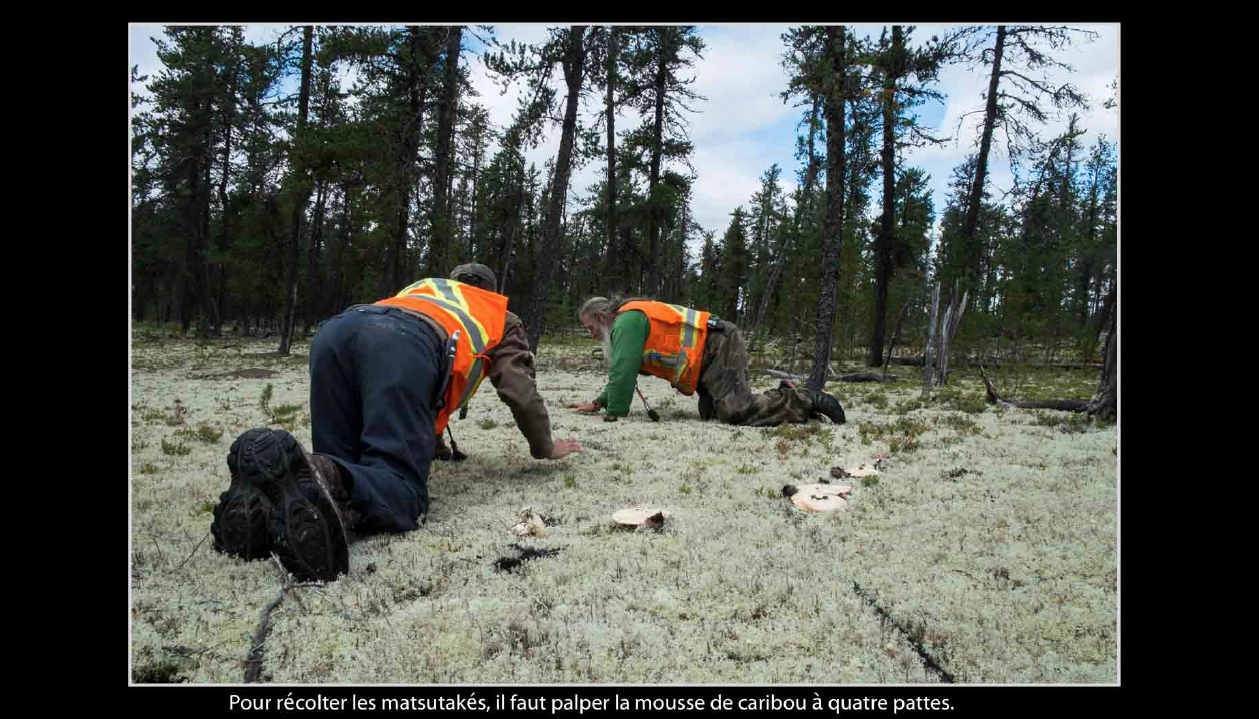
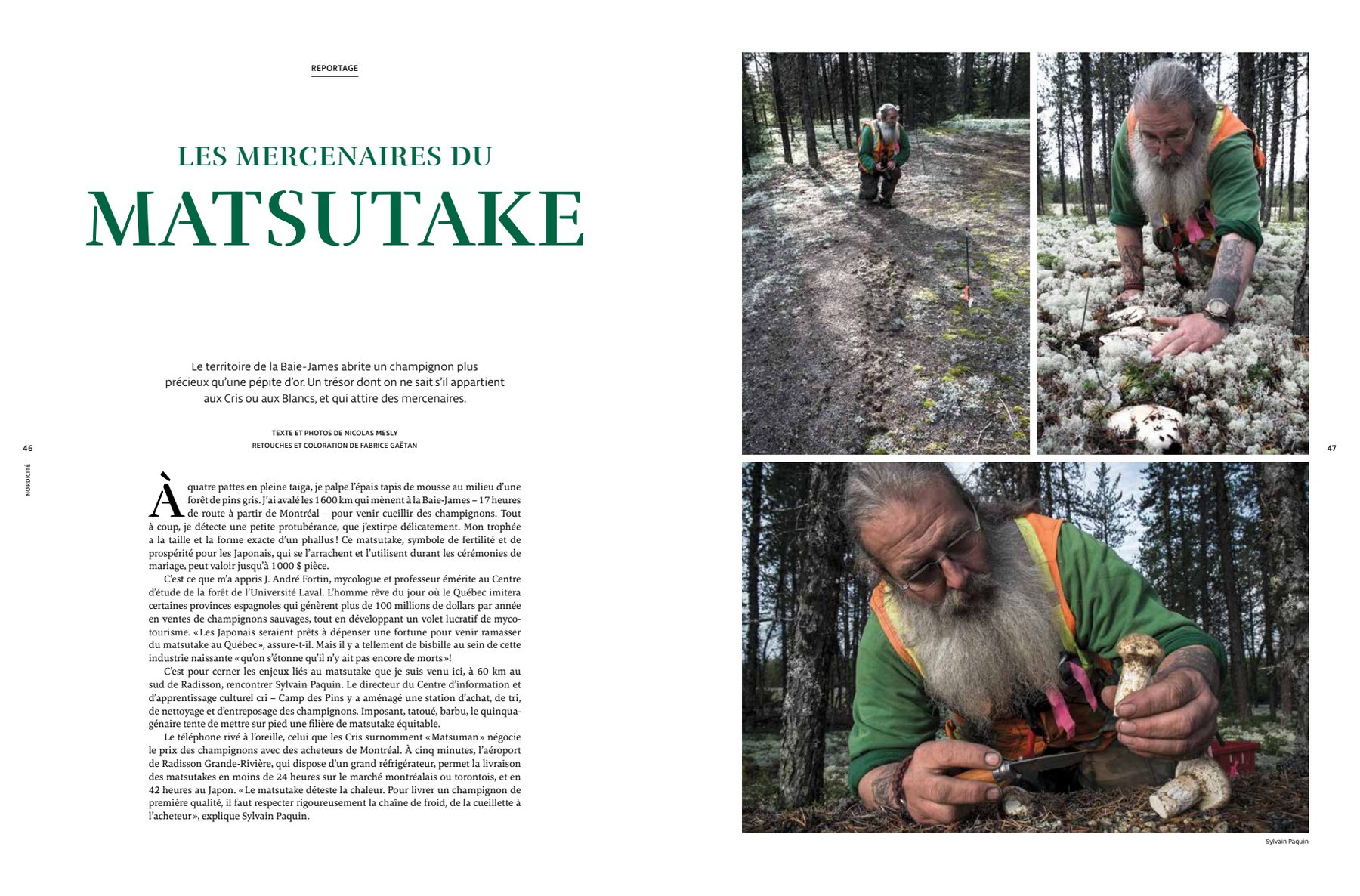
On hands and knees in the taiga, 1,600 kilometres from Montreal, the forager feels the moss at the foot of the jack pines. A protuberance betrays the matsutake. In Japan, this fungus associated with fertility and prosperity can reach a spectacular price when perfectly formed.
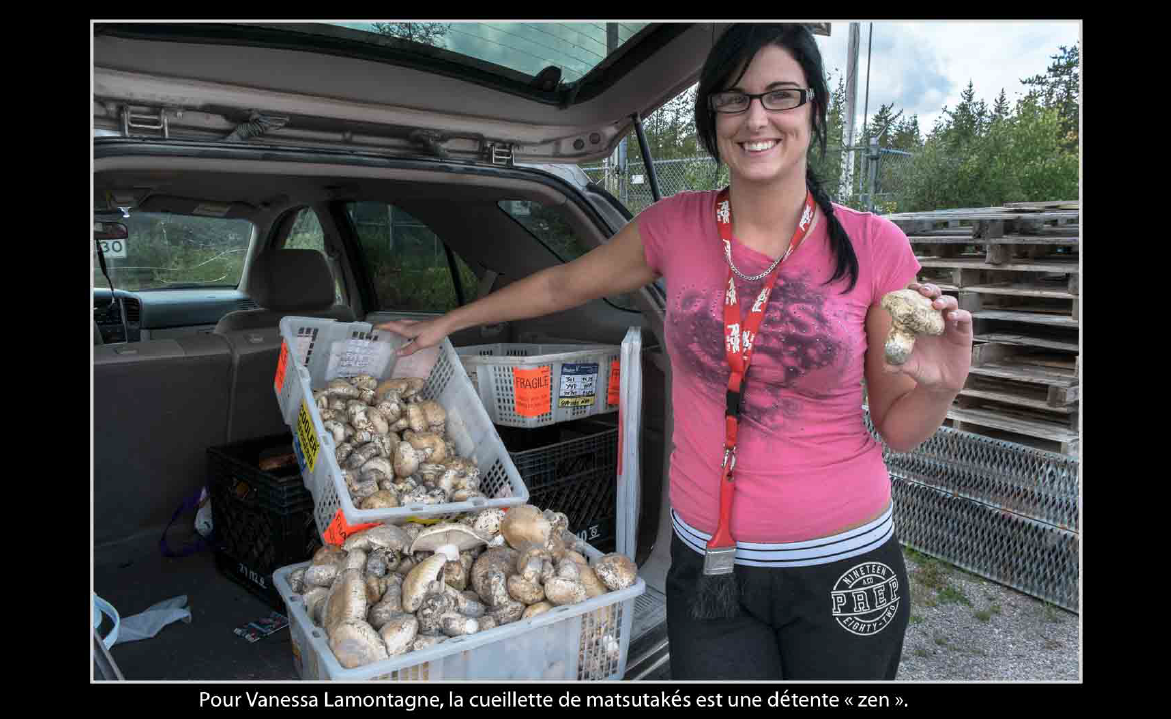
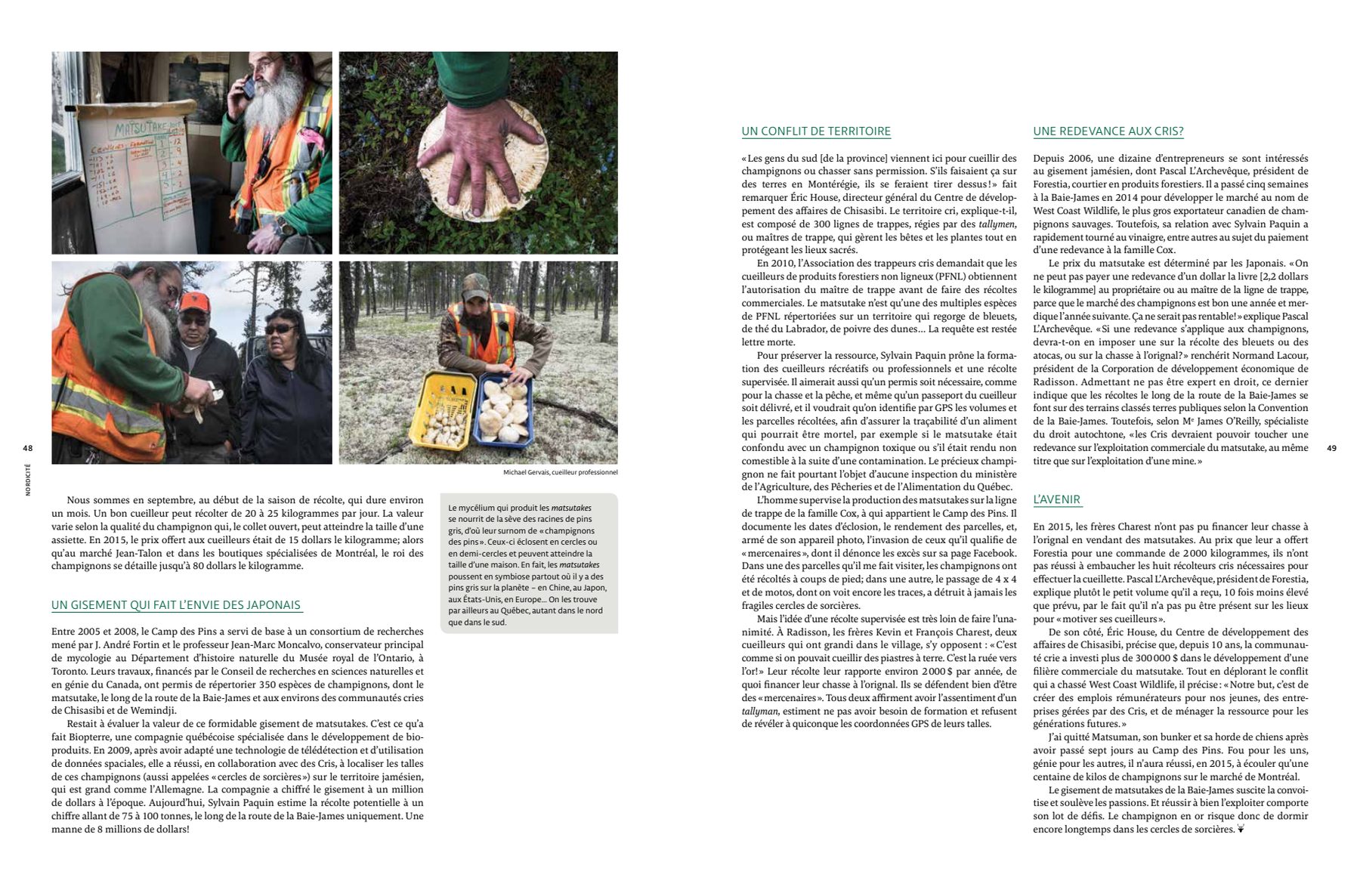
The season only lasts about a month. A seasoned picker can collect between twenty and twenty-five kilos a day, but the value varies with the shape, freshness and condition of the collar. Between the northern soil and the Japanese tables, the cold chain must remain continuous.
Land conflict
At Camp des Pins near Radisson, Sylvain Paquin has installed a purchasing, sorting, cleaning and storage station. Nicknamed "Matsuman", he negotiated with Montreal buyers and tried to get the harvest to the Canadian market in less than a day, then to Japan in less than two.
Photo essay


But this treasure grows on Eeyou Istchee. Cree territory is divided into traplines administered by trapmasters, who look after animals, plants and sacred places. The arrival of harvesters from the South raises an immediate question: who can harvest, and with what permission?
Research along the James Bay Road has identified hundreds of species of fungi. A specialist company used remote sensing to locate the matsutake circles and estimated the potential value of the deposit at several million dollars.
An industry still to be built
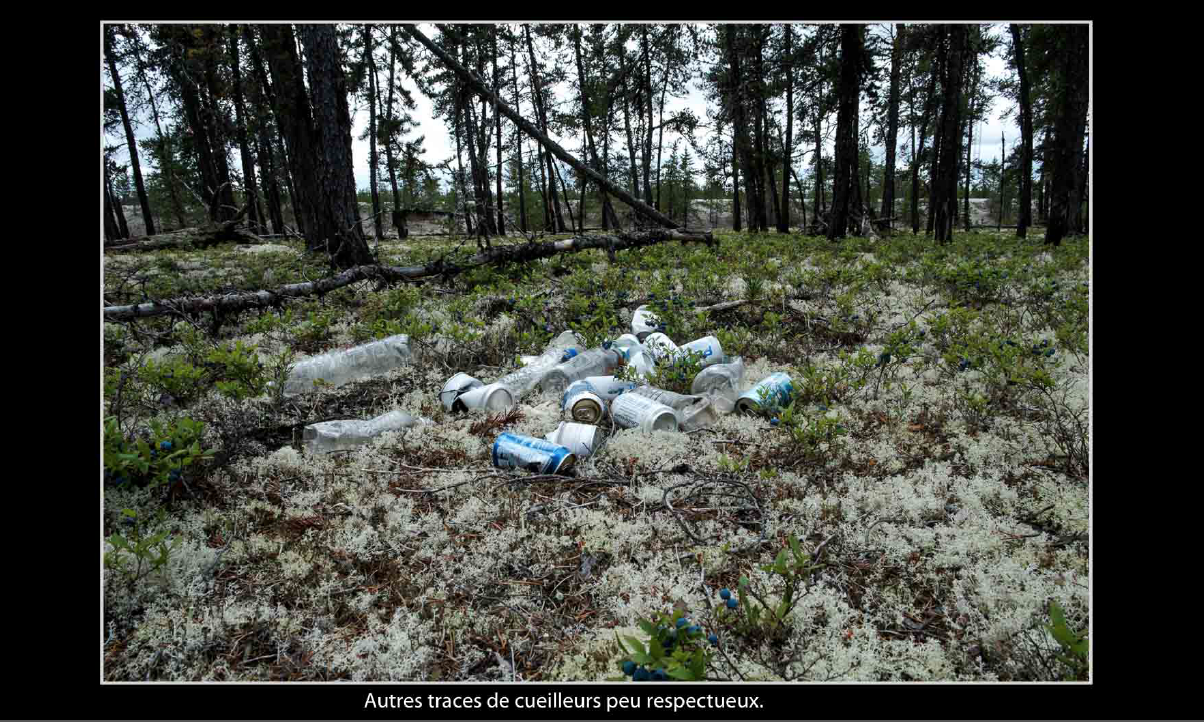
Paquin defends training for harvesters, a permit, plot mapping and traceability. It also documents the damage: mushrooms torn by kicks, traces of vehicles and fragile witch circles destroyed. Others refuse to reveal their patches and claim the freedom to collect on public lands.
The question of royalties for Cree families divides the actors. Some argue that an overly volatile market does not allow a fixed levy. On the contrary, an Aboriginal law lawyer believes that commercial exploitation should benefit the Cree, as mining does.
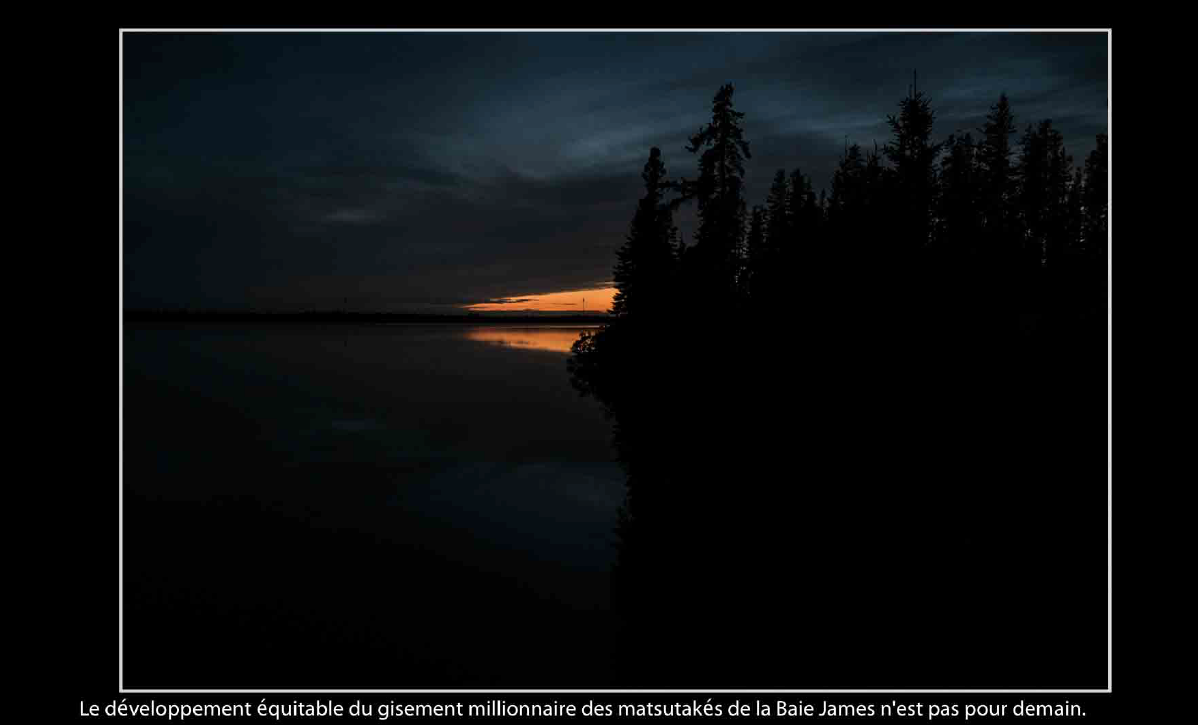
Behind the rush towards the golden mushroom is a still fragile industry: few volumes, changing buyers, a sensitive resource and a political territory. Matsutake is valuable, but its true value will depend on how power, revenue and responsibility to preserve it are shared.
The original publication
Browse the publication in its original editorial design. The complete PDF is available at the end of the story.
Open the original document
View the story in its original editorial design.
View the original publication ↗